September 25, 2026
Developmental Milestones
Wellness
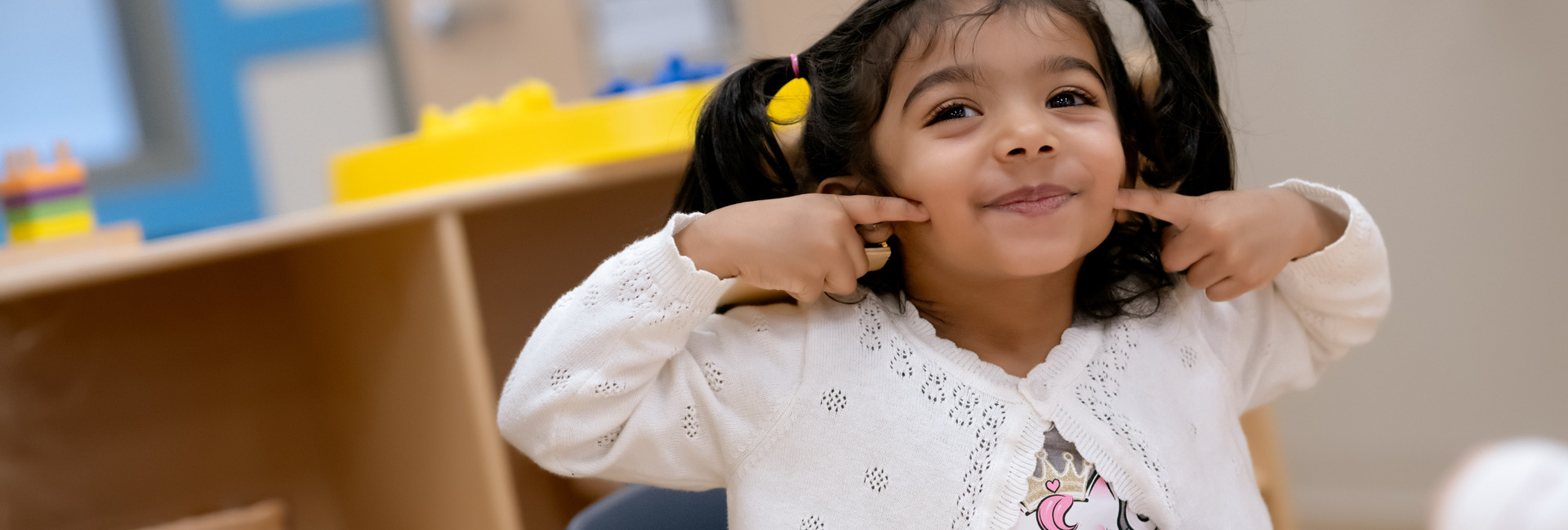
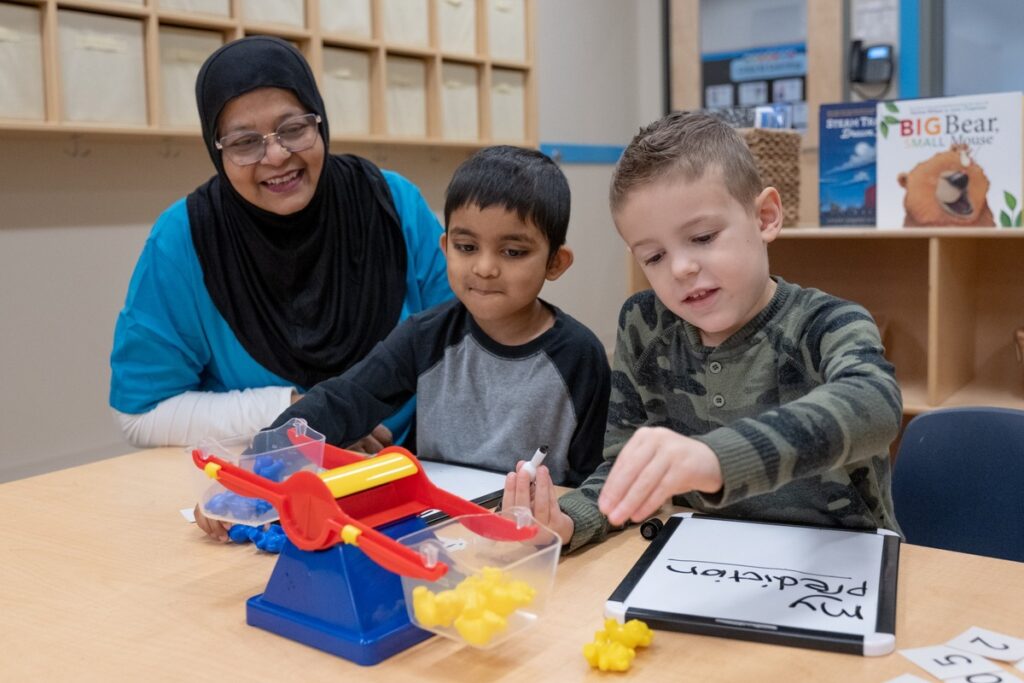
Long before children ever write a number or solve an equation, they are exploring math through everyday play. Whether they’re noticing which block tower is taller or making room for one more toy in their bag, they are building foundational math concepts. At our school, our curriculum builds on these natural moments to help children develop confidence and essential math skills as they grow.
Here are some of the math skills children build in our classrooms, and simple ways to practice them at home.
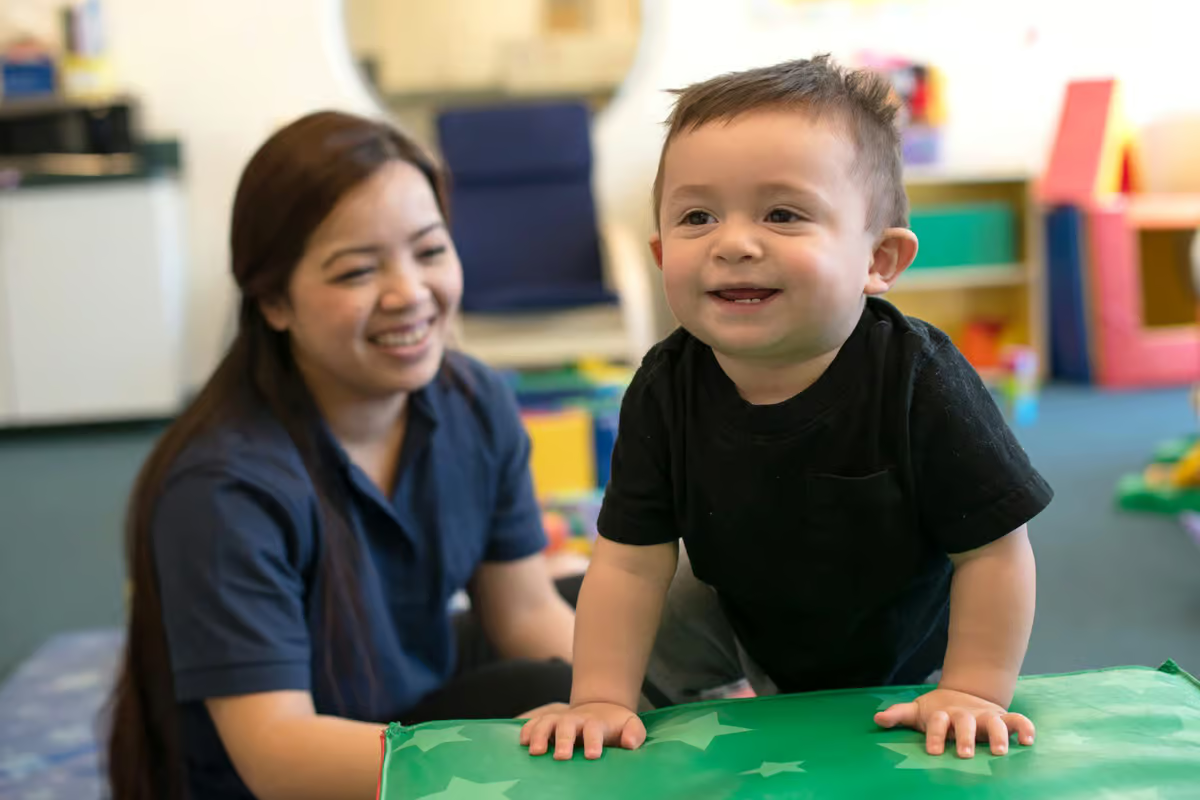
Infants explore foundational concepts like space, size, position, and cause and effect. We support these discoveries through purposeful play, using simple words such as “in,” “out,” “up,” and “down.” A teacher might place a toy inside a container and encourage a baby to take it out, or or point at falling leaves and say, “The leaves are falling down!”
At home, give your baby opportunities to explore safe objects of different sizes, shapes, and textures. Talk about what your child sees and does, describe where objects are, and explain what happens as your child interacts with them.
Reading books with simple pictures and repetitive language also helps build early mathematical thinking. Ten Little Fingers and Ten Little Toes by Mem Fox is a sweet choice for introducing early number concepts.
As toddlers become more curious and independent, teachers weave early math into the play and activities they already enjoy. They encourage children to count, sort, match, explore shapes and colors, compare sizes, and notice patterns. For example, a teacher might read a counting book with the children, then invite them to count objects on the page or match shapes during a fun classroom game.
At home, count objects together, making sure your child is touching each one as you count. Sort items by color or shape and talk about their size. Even simple questions like, “What color is your shirt?” or “Did you know your buttons are circles?” can encourage early math thinking.
In our Beginners classrooms, teachers help children practice counting to 20, recognize small groups of items, and notice how objects are alike and different. Sorting toy cars by color or building with blocks becomes a fun opportunity to count, compare sizes, and name shapes.
Create a collection of safe items for your child to sort or count. Natural items like seashells or pinecones work great for this! Encourage your child to build a tall structure, then count how many blocks they used.
Tip! At this age, children love to knock down their tall creations. Go ahead and let them! They’re learning about cause and effect while exploring how objects move, fall, and change.
In the Intermediate classroom, children work toward counting 1–50, recognizing numbers 1–20, comparing groups to identify more and less, sorting objects into categories, and beginning to understand addition and subtraction. They also explore simple graphs and complete increasingly complex puzzles. Children might create a class graph about their favorite animals, count the results, and compare which group has more or fewer.
At home, create a simple shape-sorting activity. Ask questions such as, “Which group has more?” If you’re feeling ambitious, work with your child to create a bar graph representing how many of each item there are.
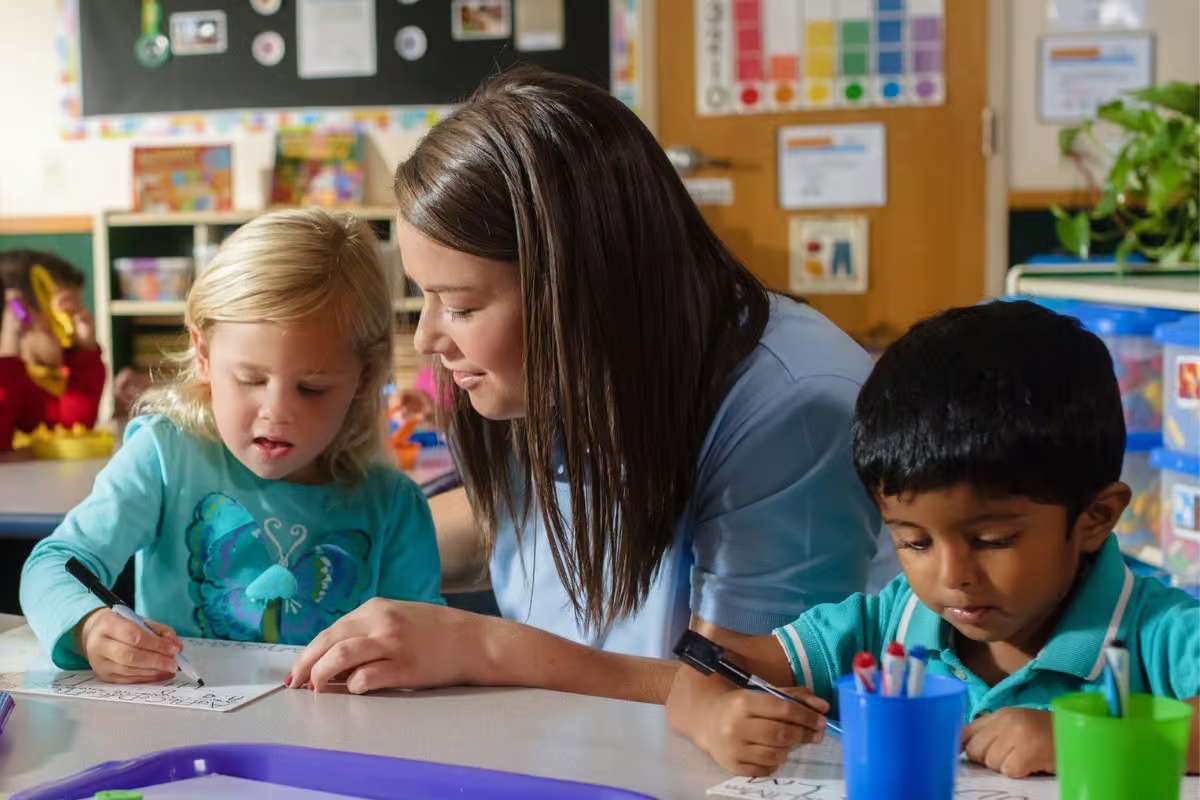
Pre-K students work on counting and recognizing numbers 1–50, counting by tens, exploring addition and subtraction, and identifying 2D and 3D shapes. They also work with measurement, patterns, graphs, sequencing, spatial vocabulary, and money. After reading Inch by Inch by Leo Lionni, a teacher might encourage students to measure objects around the room with their hands, rulers, or even their shoes!
Cooking together is a great way to bring Pre-K math concepts into your home life. Let your child help measure ingredients or sequence the steps in a recipe.
As children prepare for kindergarten, our teachers help them build fluency with numbers 1–100 and explore addition and subtraction within 20 while representing their thinking in different ways. Building on skills they learned in Pre-K, they practice problem-solving and explaining their ideas. Children might create a pretend restaurant with menus and prices, then count coins and practice addition and subtraction as they “pay” for their meals.
At home, look at coins together and talk about their names and values. Then, turn a trip to the store into a math adventure! Ask your child to read prices and help count money to pay for an item.
When children can connect what they’re learning to their everyday lives, math becomes more meaningful, familiar, and fun. Together, we can help your child build the foundational math skills they need for success. Find a school today!